Aloha. If the March storms took your roof in Kula, filled your ground floor in Kīhei, put mud through your home in Waialua or Haleʻiwa, washed out your road in Hāna or on Molokaʻi, or closed your business for weeks, you have probably already learned the hard part: the storm was over in days, but the claim is not. By now most Kona Low families have filed, met an adjuster who has since flown home, received a letter or a first check, and are looking at a number that does not rebuild what they lost. Some were told the whole thing was “flood” and got nothing. This guide is for exactly that moment. It covers what the storms did, island by island; what your homeowners, condo, flood, auto and business policies actually cover; why Kona Low claims are being denied and underpaid; the deadlines that are still running; every program that is still open; and when it makes sense to bring in Hawaii’s licensed public adjusters. Even if you never hire us, read this before you sign anything.
At a glance
- Two Kona Lows, March 10–16 and March 19–24, hit every island; Maui and Oʻahu were hardest hit, with Molokaʻi and Hawaiʻi Island close behind. Federal disaster declaration DR-4909 covers Maui, Honolulu and Hawaiʻi counties
- Only about 4% of Hawaii properties carry flood insurance, so most Kona Low claims live or die on one question: was it flood, mudflow, landslide, sewer backup, or wind-driven rain?
- The Kona Lows were not hurricanes: wind damage should fall under your ordinary homeowners deductible, not a percentage hurricane deductible
- First payments after a catastrophe are usually partial; supplements, reopened claims and withheld depreciation are normal and often worth more than the first check
- FEMA registration closed June 14 (late applications with good cause are still possible); FEMA appeals run 60 days from your letter; SBA economic injury loans stay open until January 7, 2027; your policy’s own deadlines may be closer than any of those
- Handling a storm claim alone carries a hidden cost: what the carrier never offers is money you never see
Island by Island: What the Kona Lows Did
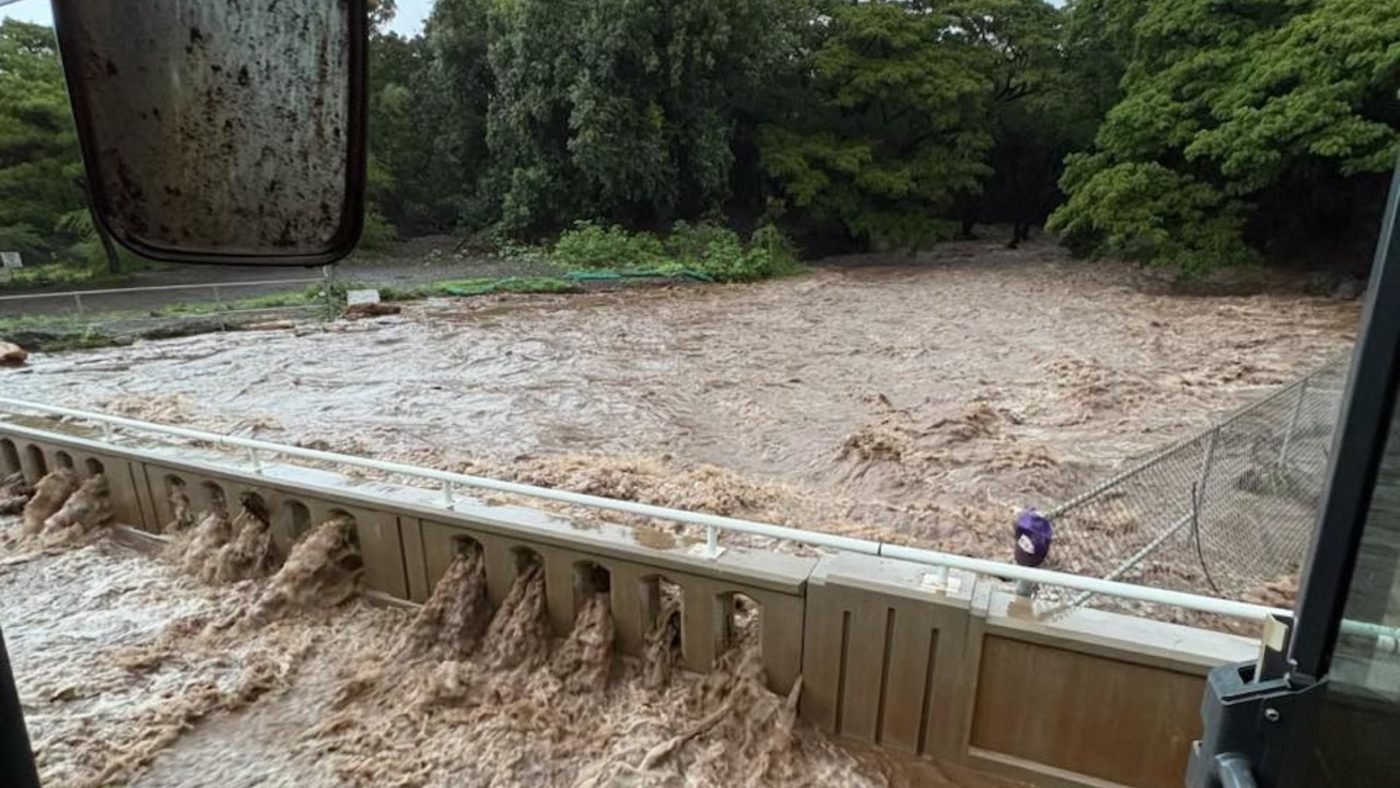
A Kona Low is a cold-core low that parks southwest of the islands and pulls deep tropical moisture up over them from the south — the “wrong” direction for Hawaii’s usual rain. In March, two of them arrived a week apart. The first (March 10–16) delivered record wind and rain to Maui, Hawaiʻi Island and Kauaʻi; the second (March 19–24) stalled over Oʻahu and produced the worst flash flooding the North Shore has seen in a generation. Honolulu broke a daily rainfall record that had stood for 75 years. Kahului and Maui recorded their wettest month ever. The Wahiawā Dam was watched around the clock while 5,500 people below it were evacuated. More than 350 people were rescued statewide. Governor Green put the statewide damage above $1 billion and requested a Presidential disaster declaration on March 24; it was approved April 15 as DR-4909-HI.
Maui
- 54.92 inches at the Haleakalā summit and 53.10 at Puʻu Kukui across the two storms; nearly 20 inches over South Maui; a 108 mph gust at Kula; Kahului’s wettest month on record
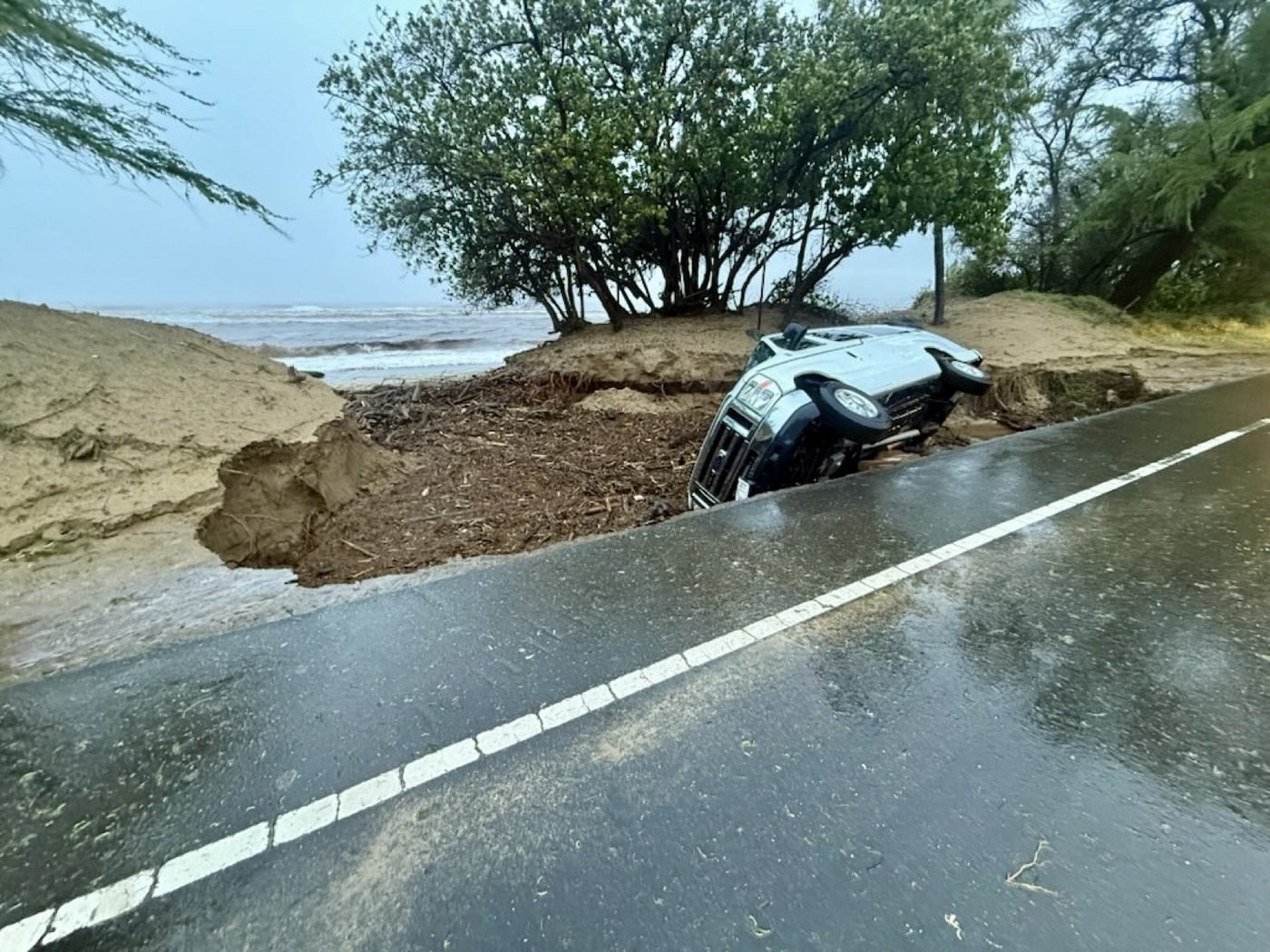
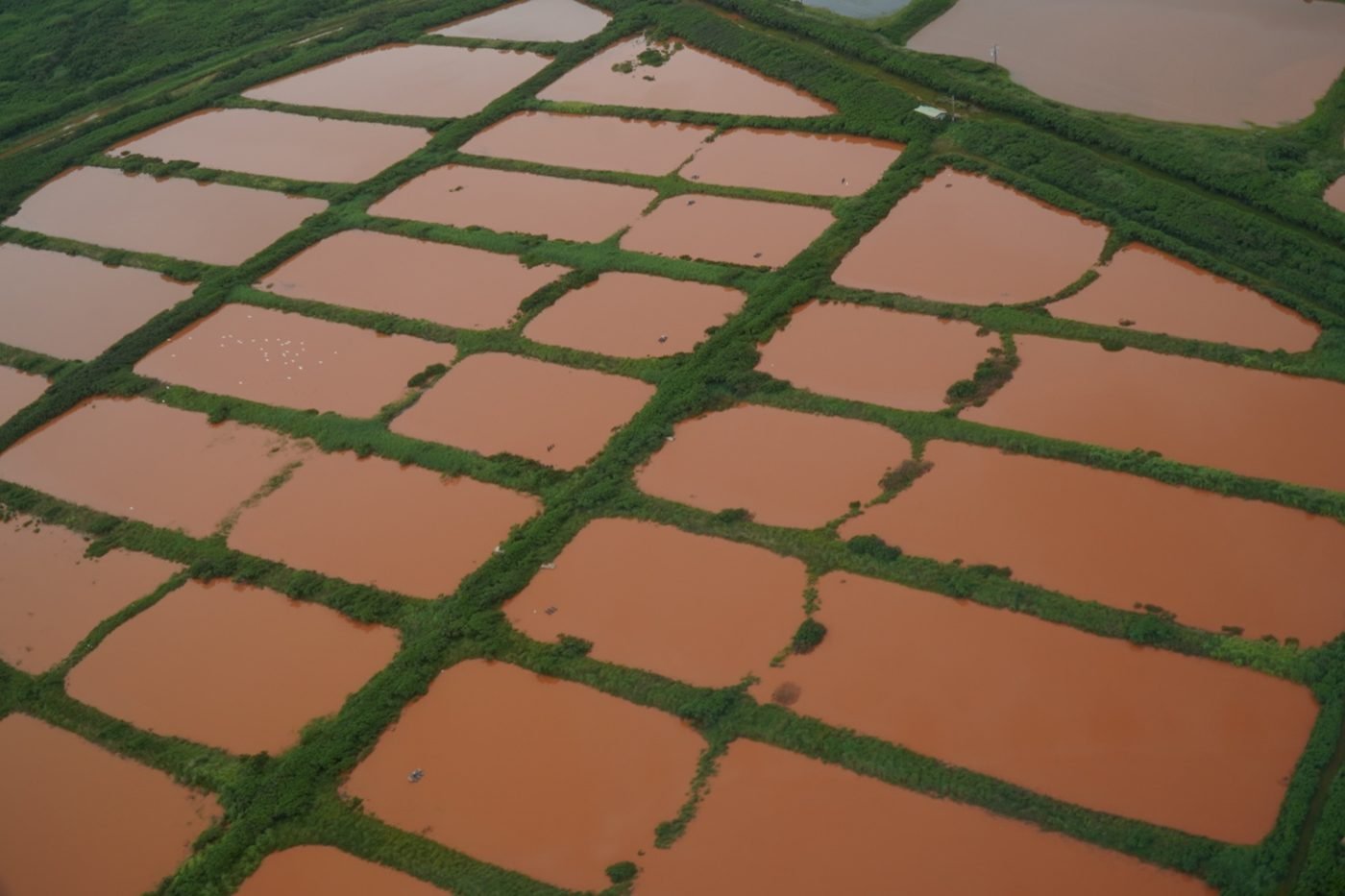
- Kīhei: South Kīhei Road caved in (a van fell into the sinkhole on March 14), thigh-high water and mud in yards and homes, one building of the Kihei Kai condominiums declared beyond repair, Kīhei Bay Vista and shoreline businesses buried in sediment; roughly 300,000 cubic yards of mud came down the Kūlanihākoʻi, Waipuʻilani and Waiakoa gulches; the road stayed closed at points from April 20 to August 11
- Wailuku and ʻĪao: the Wailuku River reached 13.51 feet, a retirement home on Mokuhau Road was swept away by stream erosion, and parts of Wailuku went 72 hours without power
- Upcountry: Kula Hospital’s emergency department closed and roughly 100 patients were relocated; downed trees, poles and lines blocked driveways for days; the Kula Upcountry gym is a likely total loss; culverts and drainages destroyed
- East and West Maui: Hāna was cut off and food was flown in by helicopter; Honoapiʻilani Highway flooded near the Lahaina Civic Center with evacuation advisories for Wahikuli and Leialiʻi
- Maui Fire made 10 swift-water rescues; the county logged 524 damage assessments across Maui and Molokaʻi by early April and now estimates ~$100 million in county infrastructure damage at 92 sites; the Maui County Council approved $12 million in emergency repairs
Oʻahu
- 52.15 inches at Kaʻala, 40.43 at Maunawili; Honolulu’s 5.51 inches on March 13 was its rainiest day in more than 20 years; gusts of 81 mph at Makapuʻu and 70 mph at Kāneʻohe Bay
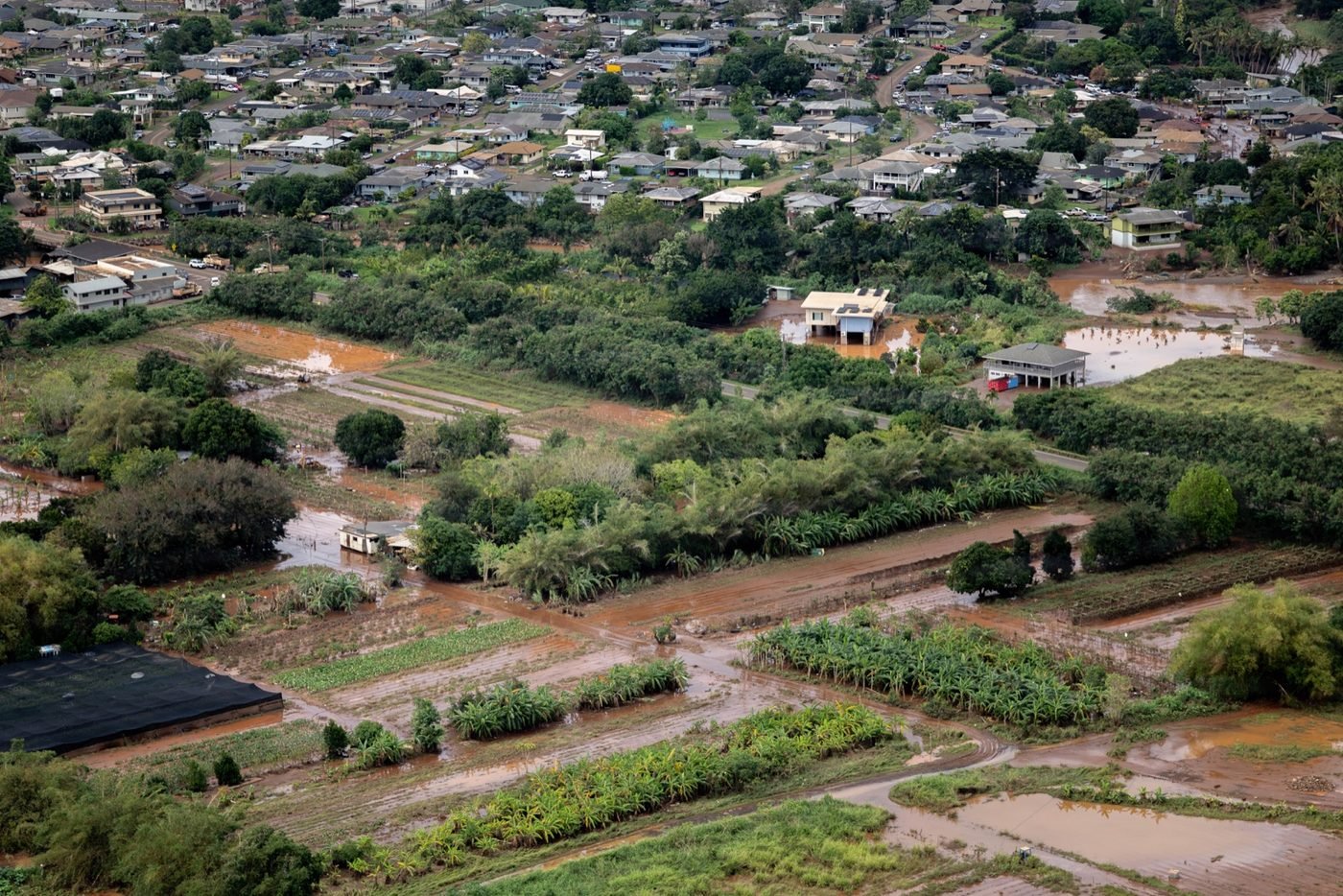
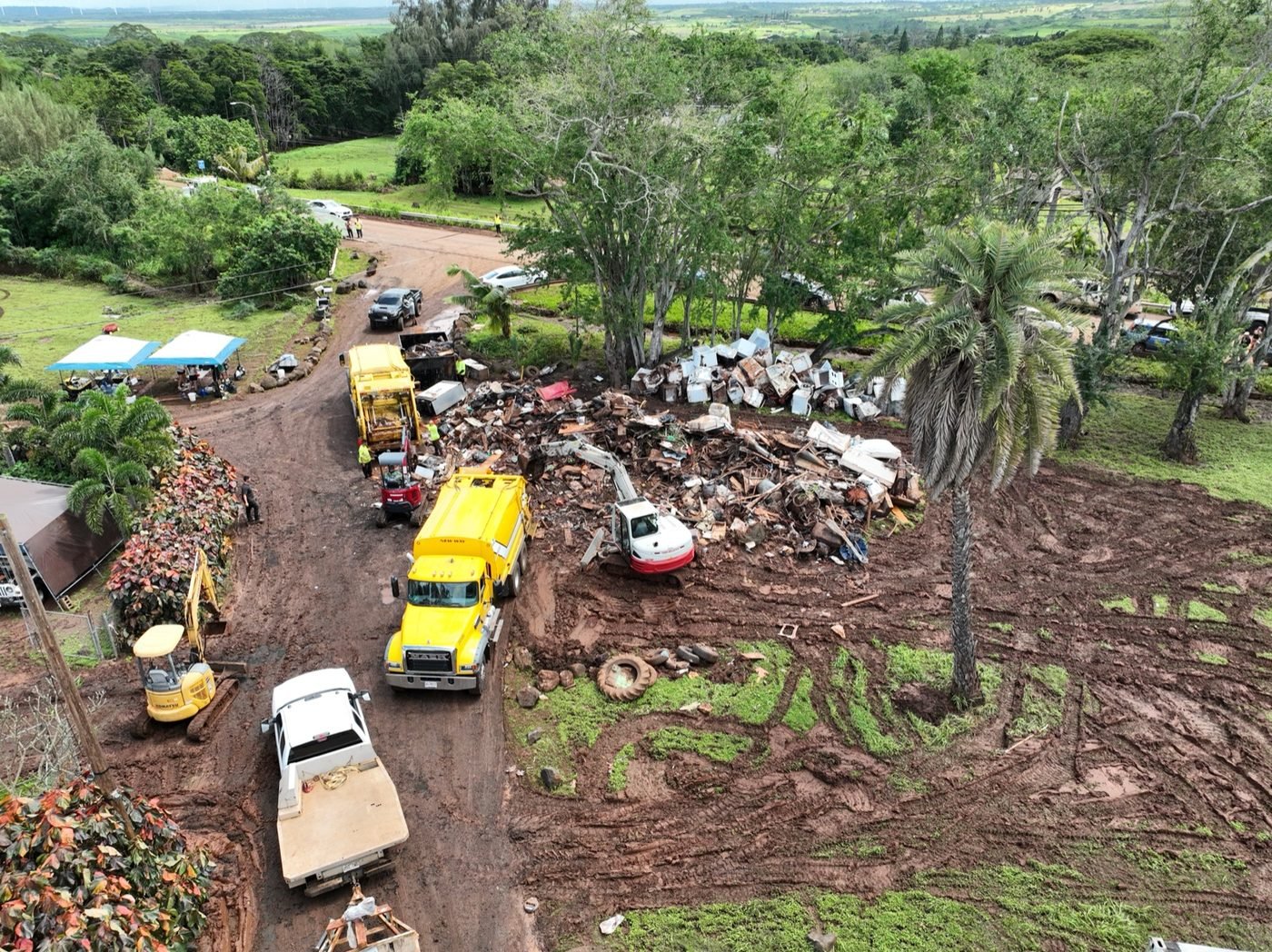
- March 20, Waialua–Haleʻiwa: catastrophic flash flooding pushed homes off foundations and swallowed vehicles; 5,500 people were evacuated below the Wahiawā Dam; 230+ rescued, including 91 by high-water vehicle and 47 by Black Hawk helicopter; a boil-water notice ran from Mokulēʻia to Turtle Bay
- 400+ reports of damaged or destroyed homes within three days; nearly a third of affected households were displaced; widespread mold and electrical damage in the months after; Otake Camp and Waialua’s farm neighborhoods were the worst hit
- Kalihi Stream hit 10.4 feet and Honouliuli Stream 9 feet near the H-1; Kamehameha Highway, Pali Highway and Vineyard Boulevard blocked by trees and debris; Windward and Leeward neighborhoods flooded
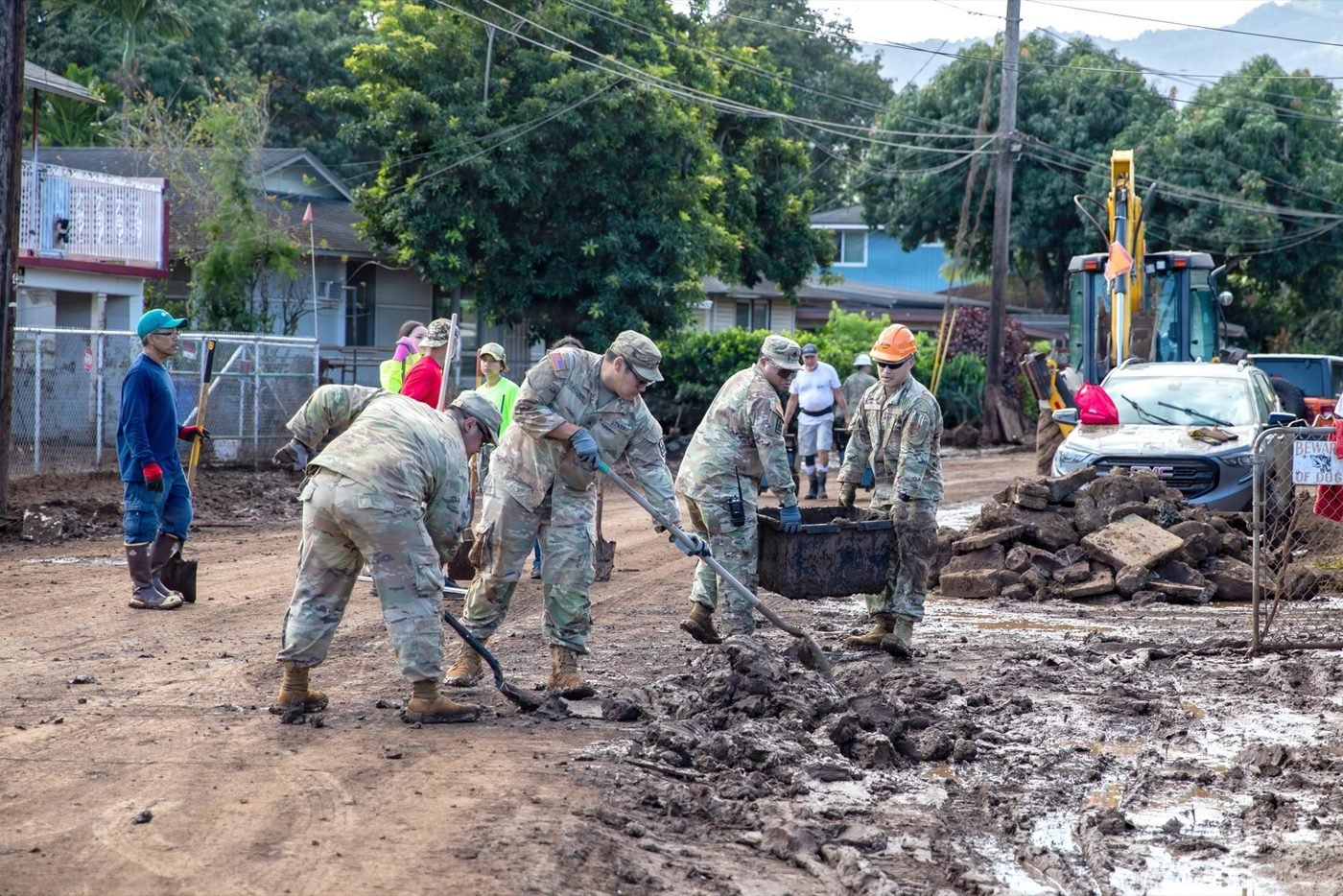
- The City and County estimates ~$100 million in costs ($30M immediate, $70M infrastructure including $20M at a wastewater plant); $2.7 million in North Shore crop losses; the Guard cleared 3,732 cubic yards of debris from 164 homes
Hawaiʻi Island
- 42.20 inches at Puʻu Waʻawaʻa, 40.94 at Nāhuku; gusts above 100 mph at Puʻu Waʻawaʻa and the Mauna Kea summit, 79 mph at Kona airport; Hilo passed 26 inches for the season by mid-March
- Kona, Kaʻū, Puna and Kohala roads closed; water 4–6 feet deep on Māmalahoa Highway; parts of Captain Cook and Nāʻālehu isolated; the Guard evacuated residents by truck
- Roofs partly torn off two Aliʻi Drive businesses in Kailua-Kona; a downed tree hit two houses in North Kona; 12 emergency shelters opened
- FEMA had approved $2.1 million for 148 Hawaiʻi County households by the end of May, with Puna, Kaʻū and Kona the hardest-hit districts — and Kaʻū was then hit again by Hurricane Lala in August
Molokaʻi, Lānaʻi & Kauaʻi
- Molokaʻi: 41.58 inches at Honolimaloʻo; a landslide and floodwater over Kamehameha V Highway near Kawela Gulch cut the island in two for days; the armory became a community hub; Molokaʻi is inside DR-4909 through Maui County
- Lānaʻi: 28.57 inches at Lānaʻi City; ponding on Mānele Road; lighter structural damage but the same wind and rain-intrusion claims
- Kauaʻi: 25.98 inches at Waiʻaleʻale, Līhuʻe’s rainiest day of the year on March 13, a landslide on Hulemalu Road — but Kauaʻi County was not included in the federal declaration, so the insurance claim is the main path to recovery there
Six Months In: Where Kona Low Claims Stand
By September, most Kona Low claims have moved through the same stages. The Insurance Commissioner declared a catastrophe on March 19 and let out-of-state independent adjusters work Hawaii claims without a Hawaii license for 120 days — so the person who inspected your home in April was very likely a mainland catastrophe adjuster who left the islands in July. First estimates came from that inspection, priced from mainland databases, and first checks or denial letters followed. Then the adjuster rotated home, the file went to a desk, and everything that surfaced afterward — the moisture behind the drywall, the mold, the electrical failures, the subfloor, the special assessment from the association, the second month of closure — has been fighting for attention ever since.
That is the moment most owners are in right now, and it usually looks like one of four things: a denial that calls everything “flood” or “surface water”; a payment that covers a fraction of the real repair; a claim that has simply gone quiet; or a check that was deposited months ago with depreciation and supplements never collected. Every one of those is workable. None of them is final.
Flood, Mudflow, Landslide or Wind-Driven Rain: What Your Policy Calls It
This is the whole fight for most Kona Low claims, so here it is in plain language:
- Flood and surface water — rising water, overflowing streams and gulches, water running across the ground and into your home — are excluded from standard Hawaii homeowners, condo and renters policies. They are covered by separate flood insurance, usually NFIP. Only about 4% of Hawaii properties carry it. If you do, your NFIP policy is a separate claim with its own adjuster, its own proof-of-loss deadline and its own rules.
- Mudflow — a river of liquid, flowing mud carried by water, exactly what came down the Kīhei gulches and through Waialua — is covered by NFIP flood insurance as a form of flooding. Landslides, slumps and earth movement are not: they are excluded from both homeowners and flood policies. The difference between “mudflow” and “landslide” on your file can be the difference between a paid claim and nothing, and it is decided by evidence, not by which word the first adjuster wrote down.
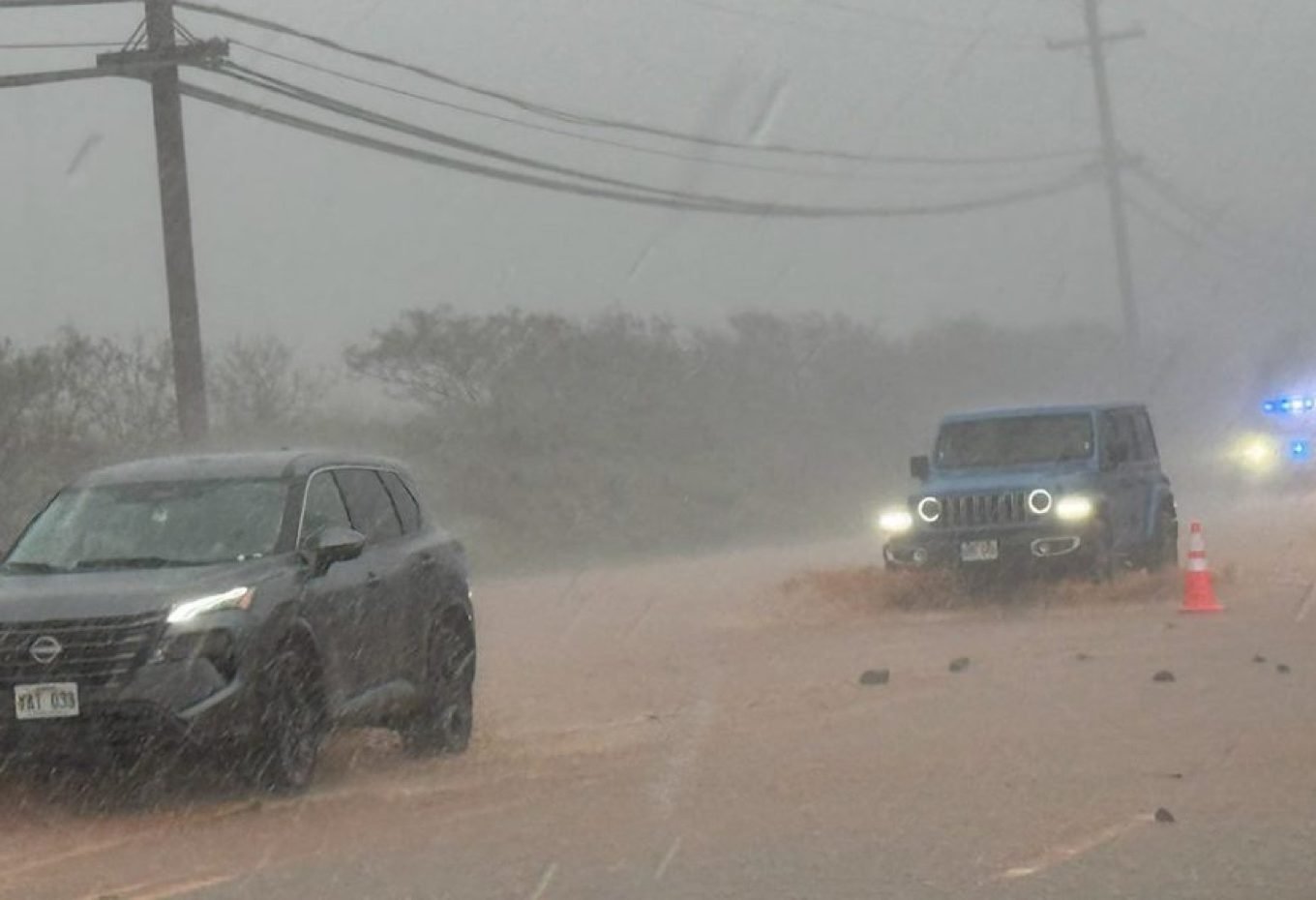
- Wind damage and wind-driven rain — roofing lifted by the 108 mph gusts at Kula or the 100 mph gusts on Hawaiʻi Island, siding and windows blown in, and the rain that came through those openings — are covered by your homeowners policy. And because the Kona Lows were not hurricanes, that damage falls under your ordinary deductible, not a percentage hurricane deductible.
- Sewer, drain and sump backup is usually excluded unless you carry the endorsement; many Hawaii policies have it. Check your declarations page — water that came up through a drain is a different claim from water that came in the door.
- Fallen trees, food spoilage, and additional living expense are generally covered when a covered peril caused them. A tree on the roof is wind. A freezer full of spoiled food after a three-day outage is usually a small covered claim. A family displaced by covered damage may have ALE for the months since.
- Vehicles are covered for flood under comprehensive auto coverage — a completely separate policy that many owners forget to use.
When several of these happened at once — wind opened the roof, then the gulch came through the yard, then the drain backed up — a carrier may try to attribute the whole loss to the excluded cause. Hawaii policies vary in how they treat mixed causes, and the evidence decides. Water lines, the direction debris moved, where water entered, dated photos and video from before cleanup, neighbors’ footage, county and Guard photos of your street: gather all of it. Then have someone who reads policies for a living assign each part of the damage to the right coverage.
Condo Owners in Kīhei and Beyond: Two Policies, One Loss
South Maui’s shoreline condominiums took some of the worst of it — sediment in parking structures and pools, ground-floor units flooded, one building of the Kihei Kai condominiums slated for demolition. Condo losses run through two policies. The association’s master policy covers the building, common elements and (depending on the bylaws) some unit finishes; your HO-6 covers your interior improvements, contents, additional living expense and, in most policies, loss assessment — your share of a special assessment the association levies for uninsured or under-insured damage. Several South Maui associations have already levied or are discussing assessments. If you own a unit: get the master policy and any engineering or adjuster reports, notify your own HO-6 carrier in writing even if the association is “handling it,” and make sure your unit’s damage is not lost between the two files. Renters have the same split with their landlord’s policy.
Business Owners: Closures, Sediment and Six Months of Lost Income
From South Kīhei Road to Haleʻiwa town, from Hāna to Kaunakakai, the building was often the smaller half of the loss. Businesses closed for weeks while roads were rebuilt, sediment was hauled out and power came back; one Kīhei operator estimated $12,000 a day in lost sales. Look at your commercial policy for:
- Business income — income lost while covered physical damage kept you closed, through the period it should reasonably take to repair. Wind damage to your roof is a covered trigger; flood damage usually is not unless you carry commercial flood.
- Civil authority — income lost when government closures kept customers away, even if your own building was fine. The South Kīhei Road closure, the Honoapiʻilani and Kamehameha V highway closures, Hāna Highway and the North Shore evacuation orders are exactly this. Save the closure notices.
- Extra expense — generators, temporary space, expedited freight, sediment removal to reopen. Keep every receipt.
- Spoilage and perishable stock after outages; photographs and inventory before disposal.
Business interruption claims are the most technical and most underpaid claims in property insurance, and six months in is when carriers begin arguing the “period of restoration” should have ended. If your Kona Low business claim is still open, or was closed early, it is worth a professional look.
The Claim Itself: What a Fair Kona Low Settlement Includes
A complete claim is a line-item estimate priced for Hawaii, not a mainland database: barge freight, single-wall and post-and-pier construction, permit timelines, the real cost of a licensed contractor on Maui or Molokaʻi in a year when every contractor is booked. It includes the parts of the loss that a fast inspection misses — underlayment and decking under lifted roofing, moisture in wall cavities and subfloors, mold remediation in Hawaii humidity, electrical systems that sat in salt water, code upgrades required to rebuild, and contents. On a replacement-cost policy it includes the recoverable depreciation the carrier held back from the first check, which is paid when repairs are complete and which many owners never claim. And it includes your additional living expense for every month you could not live in the home.
- First offers after catastrophes run low. Estimates are negotiable and supplements are normal. Depositing a routine check usually does not close your claim, but read anything marked full and final. Our insurance check guide covers what to look for.
- Hidden damage surfaces for months. Keep documenting and keep supplementing. Our Damage Iceberg guide shows what inspections find below the waterline.
- A denial is a position, not a verdict. Our denied-claim guide walks through the six options, in order.
The money the carrier never offers is money you never see. That is the hidden cost of handling a storm claim alone.
The Hidden Cost of Handling It Yourself
Most property owners who manage their own storm claim believe they are saving money. Here is what actually happens: the carrier’s adjuster inspects, the carrier’s estimating software prices the scope, and the carrier’s letter explains what it will pay. Every step is built and controlled by the party that writes the check. Owners take the number, deposit it, and never learn what a complete, code-referenced, Hawaii-priced claim would have been worth. Nobody sends a letter for the depreciation that was never released, the mudflow that was miscalled a landslide, the wind damage that was folded into “flood,” the code upgrades that were never mentioned, or the business income that was never claimed.
The opportunity loss on a “handled it myself” claim
In a scenario like this, a public adjuster’s contingency fee comes out of the second number — and the owner still nets far more than the first. Illustration only; every claim is different and no outcome is guaranteed.
What our experience in Hawaii looks like. Across the claims our team has handled here, the represented outcome has consistently been higher than the carrier’s opening position — sometimes modestly, sometimes dramatically. We have taken claims that opened with an offer near $50,000 to settlements above $600,000, because the first inspection missed most of the loss. Those are real past results, not a promise for yours; they are what happens when someone who reads policies for a living builds the claim from the start — or rebuilds it six months later.
What the research says. A 2010 Florida legislative study (OPPAGA Report 10-06) of Citizens Property Insurance claims found that policyholders who used public adjusters received substantially larger payments — the widely cited figures are 574% higher on typical claims and 747% higher on 2005 hurricane claims — though their claims took longer to settle. Florida is a different market, but the pattern is the same one we see in Hawaii: the carrier’s first number is rarely the claim’s real value.
When to Bring Us In
Denied as flood, surface water or earth movement
We re-document the loss, separate wind, wind-driven rain, mudflow and backup from truly excluded causes, and re-submit with the policy language and the evidence side by side.
Paid, but nowhere near enough
A first check, a stalled supplement, depreciation still withheld, a business claim cut short. We re-estimate at Hawaii prices, document what the first inspection missed, and negotiate to the finish.
Quiet, closed, or you signed something
Claims that went silent when the catastrophe adjuster left, or that were closed months ago, can often be reopened for damage found later. Send us the file and we will tell you honestly what is still recoverable.
Either way, the first step is the same and it costs nothing: send us what you have — phone photos, the adjuster’s estimate, the denial letter, a screenshot of your declarations page — and our licensed Hawaii team will review your damage, your policy and your options. If your claim is one you can finish yourself, we will tell you exactly that.
Deadlines That Are Running Right Now
Free State, County & Federal Recovery Programs
Alongside your insurance claim, use every official program you qualify for. Accepting FEMA, SBA or nonprofit help does not settle anything with your insurer, and FEMA will not duplicate benefits your insurance pays — which is one more reason to get the insurance claim right.

Common Questions Six Months After the Kona Low
You Are Not Alone in This
Island Claims is a licensed Hawaii public adjusting firm — your neighbors, headquartered on Maui, serving Maui County, Oʻahu, Hawaiʻi Island and Kauaʻi. We represent property owners only, never insurance companies. Whether the March storms flooded your ground floor in Kīhei, tore up your roof in Kula, buried your home in Waialua, cut off your farm on Molokaʻi or closed your shop in Kona, our team will review your damage, your policy, your adjuster’s estimate and your options honestly and without cost or obligation — at any stage of the claim.
Kona Low Claim Denied, Underpaid or Stalled? Get a Complimentary Claim Review
Send us what you have — phone photos, the estimate, the denial letter, your declarations page. Our licensed Hawaii team responds with an honest assessment and can schedule a call to walk through your next steps. No upfront cost, ever. We are only paid from what we recover for you, under a written agreement you see before any work begins.
Start Your Complimentary Kona Low Review