Aloha. If you’re reading this, Lala is either bearing down on your island or has already passed over it — and you’re wondering what happens to your home, your business, and everything you’ve built. Take a breath. This guide walks you through the storm in order: staying safe, protecting your property, documenting everything, and then navigating the insurance claims that follow — including the parts insurers rarely explain, like food spoilage, business income, and the wind-versus-flood question that decides so many Hawaii storm claims.
First: People, Then Property
Nothing in this guide matters more than this: follow official emergency guidance first. If your county tells you to shelter or evacuate, do it. Stay off the roads during the storm, stay away from the shoreline — surf and rip currents will be life-threatening — and treat downed lines and flooded roads as deadly. Shelters are open across the counties; check on kupuna and neighbors when it’s safe to do so.
Before the Worst Arrives: A 30-Minute Insurance Head Start
If you have power and a little time before conditions deteriorate, these few steps will be worth thousands later:
Document the “Before”
- Video every room slowly — open closets and cabinets
- Photograph the exterior: roof, lanai, fences, vehicles
- Photograph the inside of your refrigerator and freezer
- Back it all up to the cloud tonight
Protect the Paperwork
- Photograph your policy declarations pages — homeowners AND hurricane policy
- Save your insurer’s claims phone number in your phone
- Charge devices and battery banks now
- Move documents and valuables up and away from windows
That refrigerator photo is not a joke, by the way — it is exactly the evidence a food spoilage claim needs, and almost nobody has it.
After the Storm: The First 72 Hours
The full playbook is in our First 72 Hours guide, but here is the storm version:
- Wait for the all-clear before going outside. Downed lines, weakened trees, and flooded roads kill people after storms pass.
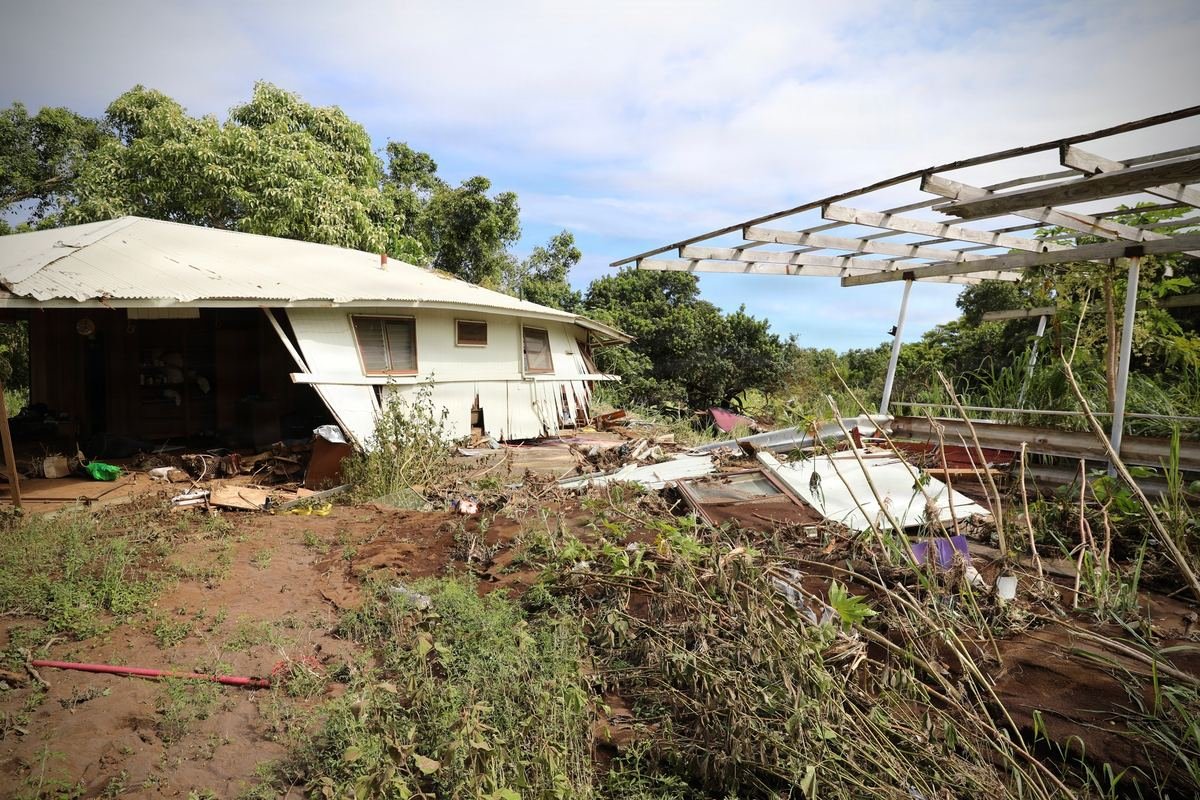
- Photograph and video all damage before touching anything. Wide shots first, then close-ups. Roof, ceilings, walls, floors, lanai, fences, vehicles, spoiled food — everything.
- Make temporary repairs only — tarp the roof, board openings, move belongings out of the wet. Your policy requires reasonable mitigation. Keep every receipt.
- Don’t throw anything away yet. Damaged materials and contents are evidence. Stage them in the garage or carport if you must move them.
- Report your claim promptly — facts only. Date, time, what you observed. Do not guess whether it was wind, rain, or rising water. That classification matters more than you know (see below).
- Start a claim diary. Every call, every name, every promise, in writing.
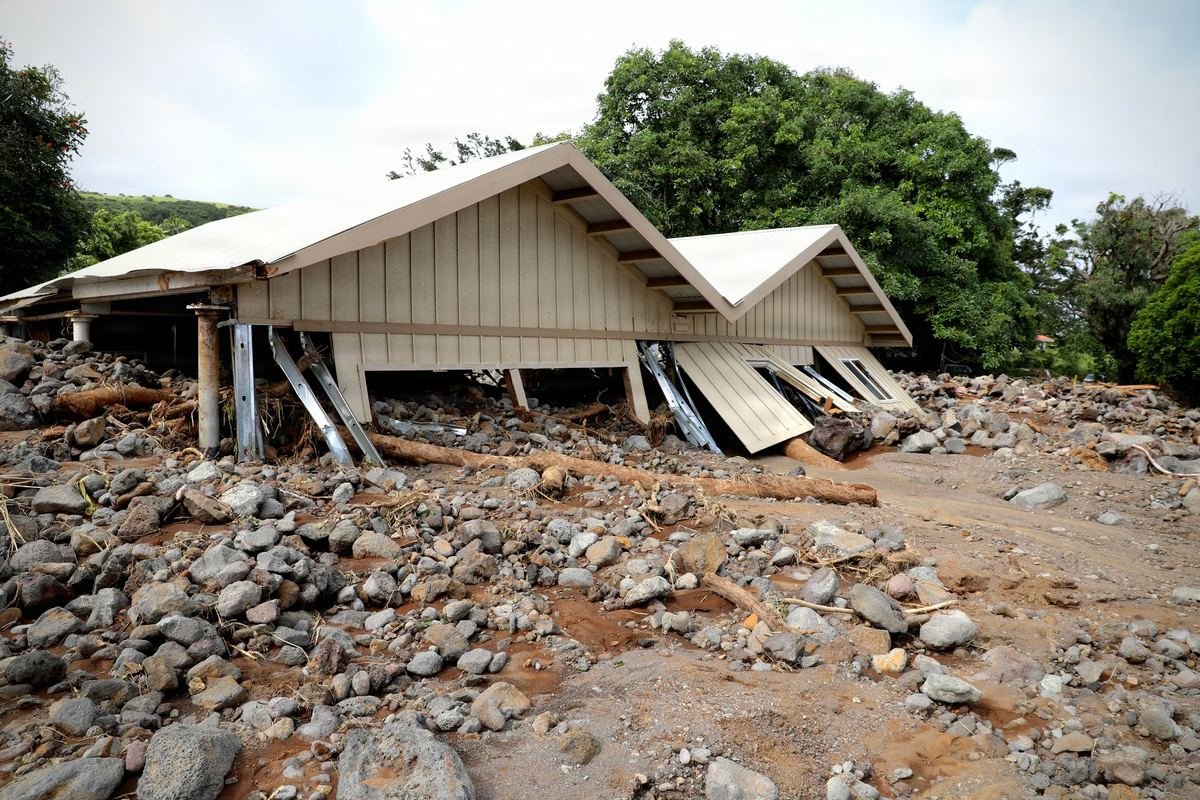
Wind vs. Water: The Question That Decides Hurricane Claims
Here is the single most important thing to understand about hurricane claims in Hawaii:
- Wind damage — and rain entering through wind-created openings — is generally covered by your hurricane policy or rider (in Hawaii, hurricane coverage has commonly been separate from the base homeowners policy since Iniki). The hurricane deductible is often a percentage of your dwelling limit, not a flat amount — our hurricane deductible guide explains how to find your real number.
- Rising water and storm surge are generally classified as flood — excluded from homeowners and hurricane policies and covered only by separate flood insurance (typically NFIP).
When wind and water arrive together, the way your damage gets classified can decide whether your claim is paid well, paid poorly, or denied. This is why we keep repeating: describe what you observed, don’t theorize about causes, and document the physical evidence — the direction of damage, the wind-created openings, the water lines — before anything is cleaned up.
Food Spoilage: Small Claim, Real Money
Extended power outages are likely, and a full refrigerator and freezer is real money for an island family. Here’s how spoilage coverage generally works:
- Many Hawaii homeowners and renters policies include some refrigerated-property coverage, but usually with a modest sub-limit and sometimes its own small deductible.
- Policy wording varies on the cause. Some policies cover spoilage from any accidental power interruption; others only when the outage results from damage on your own premises. Read your specific language — or let us read it for you.
- Document before you dispose: photograph the contents, make an itemized list with rough values, then dispose safely per Department of Health guidance. When in doubt, throw it out — but photograph it first.
- Replacement receipts help establish values. Grocery runs after power returns are your friend.
Business Owners: Damage, Downtime, and Spoiled Stock
For Hawaii’s restaurants, shops, farms, and tour operators, the building damage is often the smaller half of the loss. Review your commercial policy for:
- Business interruption / business income coverage — income lost while covered physical damage keeps you closed. Keep clean records of your normal revenue and every day of closure.
- Civil authority coverage — some policies cover income lost when government orders keep customers away from your area, even if your own building is fine. Save copies of the emergency orders and road closures affecting you.
- Perishable stock / spoilage coverage — inventory lost to outages may have its own coverage terms and limits. Photograph and inventory everything before disposal, exactly as with home food spoilage.
- Extra expense coverage — generators, temporary relocation, expedited shipping to get running again. Keep every receipt.
Business interruption claims are among the most technical and most underpaid in all of insurance. If your business took a real hit from Lala, this is exactly the claim to have professionally managed from day one.
The Claim Itself: What to Expect
In the weeks ahead: your insurer assigns an adjuster, an inspection happens (read our inspection guide before that visit), an estimate arrives, and a first check may follow. Three reminders for storm claims specifically:
- First offers after catastrophes run low. Rushed inspections and mainland pricing miss island reality. Estimates are negotiable, supplements are normal.
- Depositing a routine check usually doesn’t close your claim — but read the wording first. Our insurance check guide covers exactly what to look for.
- Hidden damage surfaces for months — moisture in walls, lifted roofing, mold in Hawaii humidity. Keep documenting, keep supplementing.
Free State & County Recovery Programs
Alongside your insurance claim, Hawaii has opened real, free help for Lala-affected families and businesses. Use every program you qualify for:
County damage-report forms (separate from your insurance claim, and worth filing — they help unlock further federal aid for your island) are linked from the HIEMA Lala updates page.
You Are Not Alone in This
Island Claims is a licensed Hawaii public adjusting firm — your neighbors, headquartered on Maui, serving every island. We represent property owners only, never insurance companies. If Lala damaged your home or business, our team will review your damage, your policy, and your options, honestly and without cost or obligation. If your claim is one you can handle yourself, we’ll tell you exactly that.
Storm Damage from Lala? Get a Complimentary Claim Review
Send us what happened — even just phone photos. Our licensed Hawaii team responds with an honest assessment and can schedule a call to talk through your next steps. No upfront cost, ever. We are only paid from what we recover for you.
Start Your Complimentary Lala Review