Aloha. Lowell is the third tropical system to hit Hawaii in a single season, and for Kauaʻi and Niʻihau it was the big one: a hurricane warning, nearly a hundred-mile-an-hour gusts, rivers of brown water through Wainiha and Kapahi, and an island almost entirely without power. Oʻahu took the tropical-storm edge of it across the Leeward and Windward coasts, and on Maui the ocean came over the road in Kīhei, Māʻalaea and Lahaina while the uplands took 80 mph gusts. Wherever you are, the questions are the same: what do I do first, what does my insurance actually cover, and how do I make sure I recover everything — not just what the first adjuster puts on a clipboard. This guide answers those in order.
At a glance
- Kauaʻi County was the hardest hit; Oʻahu and Maui County had real, claimable damage too — this guide covers every island
- Wind, wind-driven rain, storm surge and flooding are classified differently and paid by different policies — the classification decides your claim
- If Lala damaged you in August and Lowell in September, that is usually two claims with two dates of loss
- Extended outages mean food spoilage, generator costs and business income losses that most owners never claim
- Handling a storm claim alone carries a hidden cost: what the carrier never offers is money you never see
Island by Island: What Lowell Did
Lowell exploded from a tropical storm to a Category 5 hurricane over open water between September 1 and 2, then bent north toward the western islands. It passed west of Niʻihau and Kauaʻi overnight September 7–8 as a Category 2 storm with 110 mph sustained winds. The National Weather Service issued Hawaii’s first-ever tornado watch for Kauaʻi and Niʻihau. By Tuesday morning the warnings were cancelled, but flood watches, high-surf warnings and a statewide brown-water advisory remained.
Kauaʻi & Niʻihau
- Gusts of 85 mph at Waimea and 84 mph at Līhuʻe; 15.9 inches of rain at Limahuli near Hāʻena, 2–5 inches at lower elevations; at least one storm-related injury reported
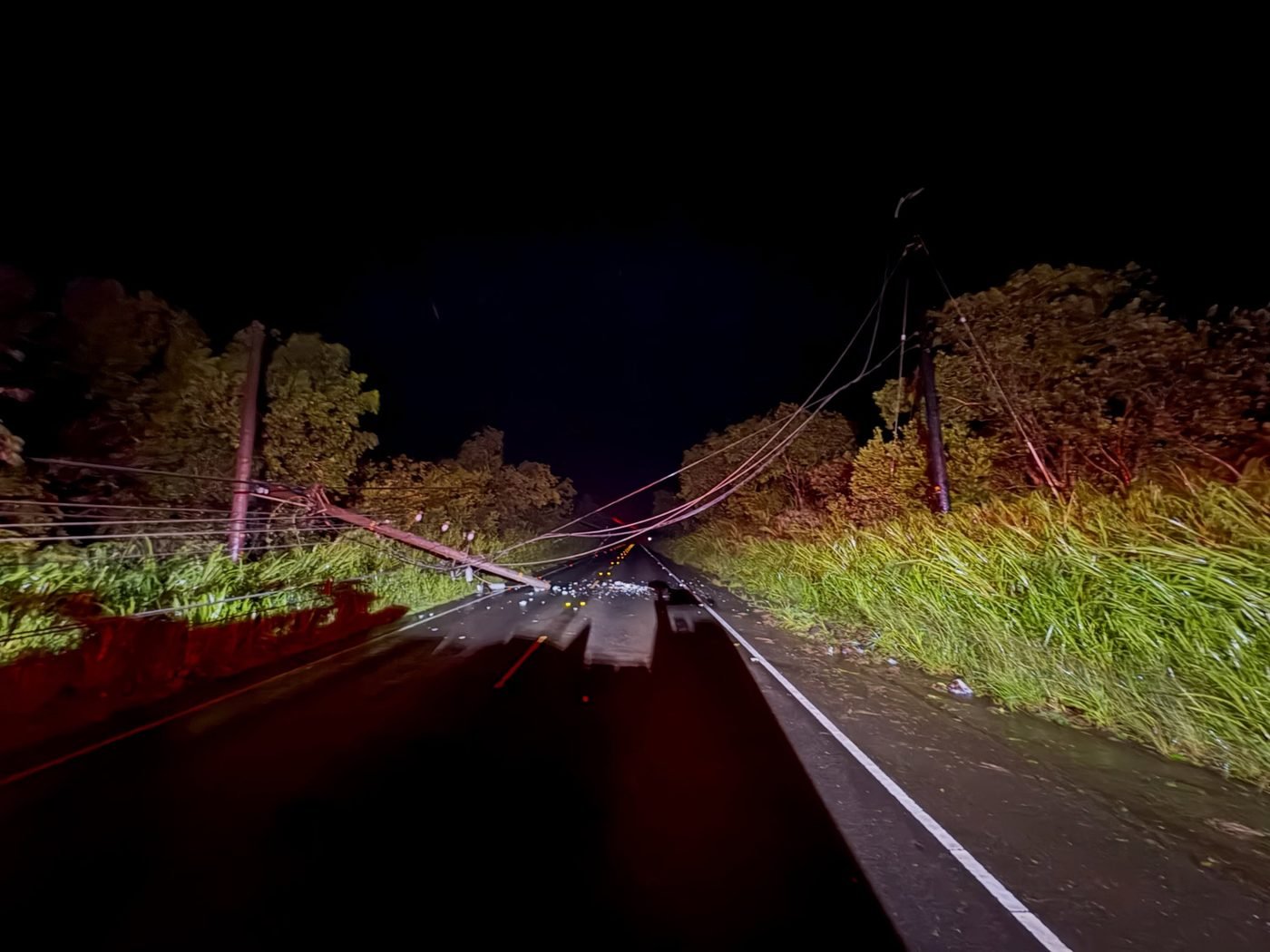
- 33,300 of KIUC’s 36,333 members (92%) without power — only about 3,000 in Kōloa and ʻEleʻele stayed on; poles down from Moloʻaʻa to Līhuʻe and 1,500 miles of line to inspect before repairs; KIUC says “several days or longer in some areas”
- Flash flooding in Wainiha (properties submerged, Powerhouse Road cut off), Kapahi and the east side; a debris field flushed into Wailua Bay
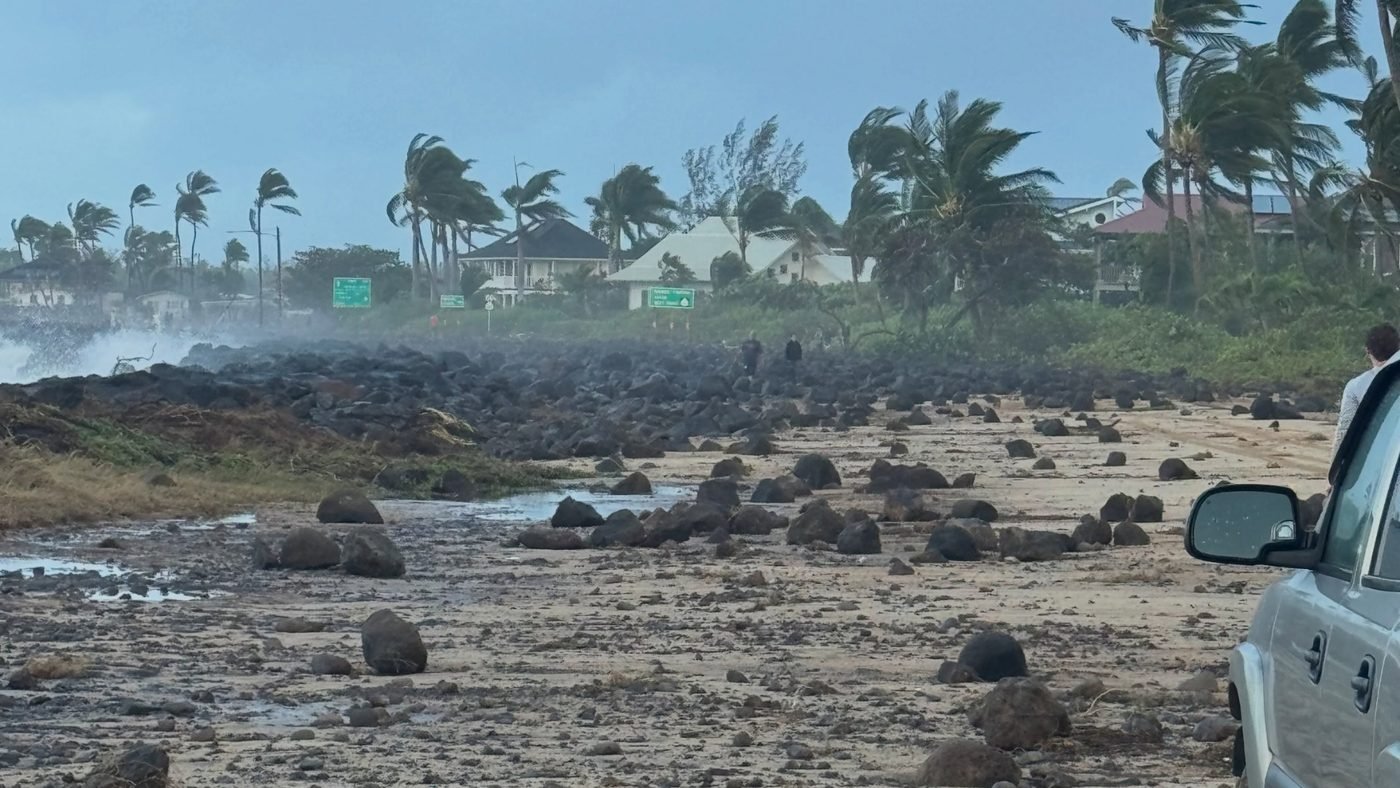
- Kūhiō Highway closed at Hanalei Bridge; Kaumualiʻi Highway buried in boulders and downed kiawe in Kekaha (Kala to Akialoa Road) and blocked at Māluhia Road; Westside and North Shore roads under sand and debris from broken sea walls
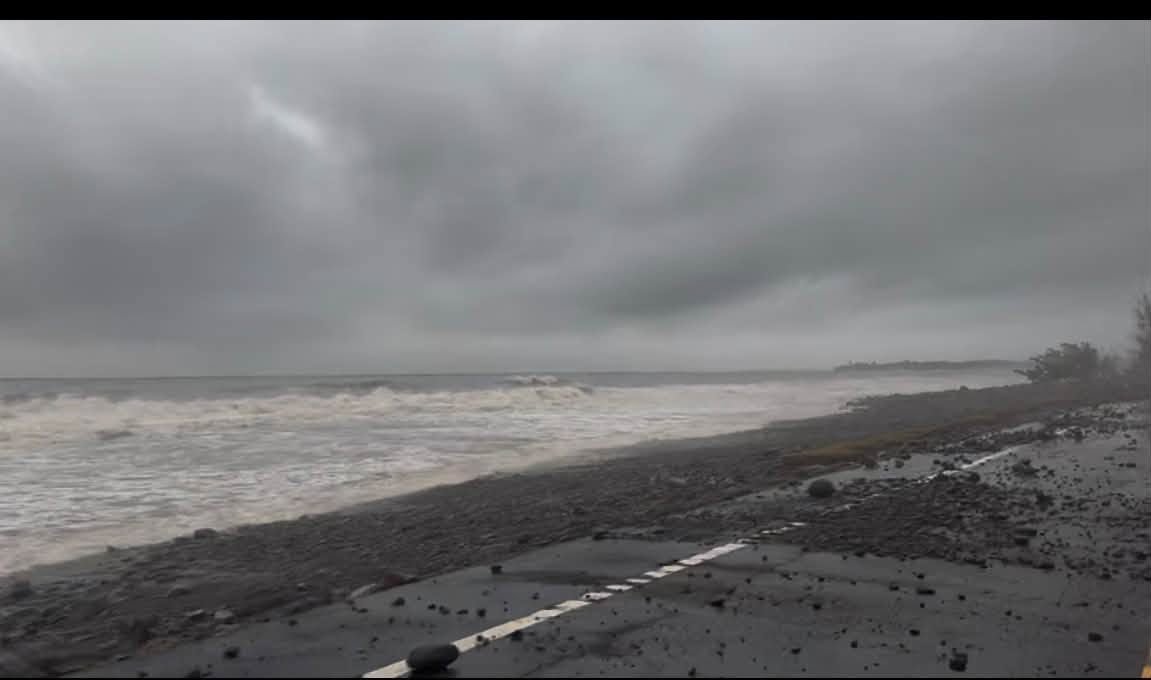
- Storm surge of 2–4 feet along the south shore and Niʻihau: the wooden Waimea Pier torn apart, the Hanapēpē Bay road washed out, Hanapēpē Stadium’s fields and courts destroyed, and salt water pushed into Kekaha farms; 20–30 ft surf
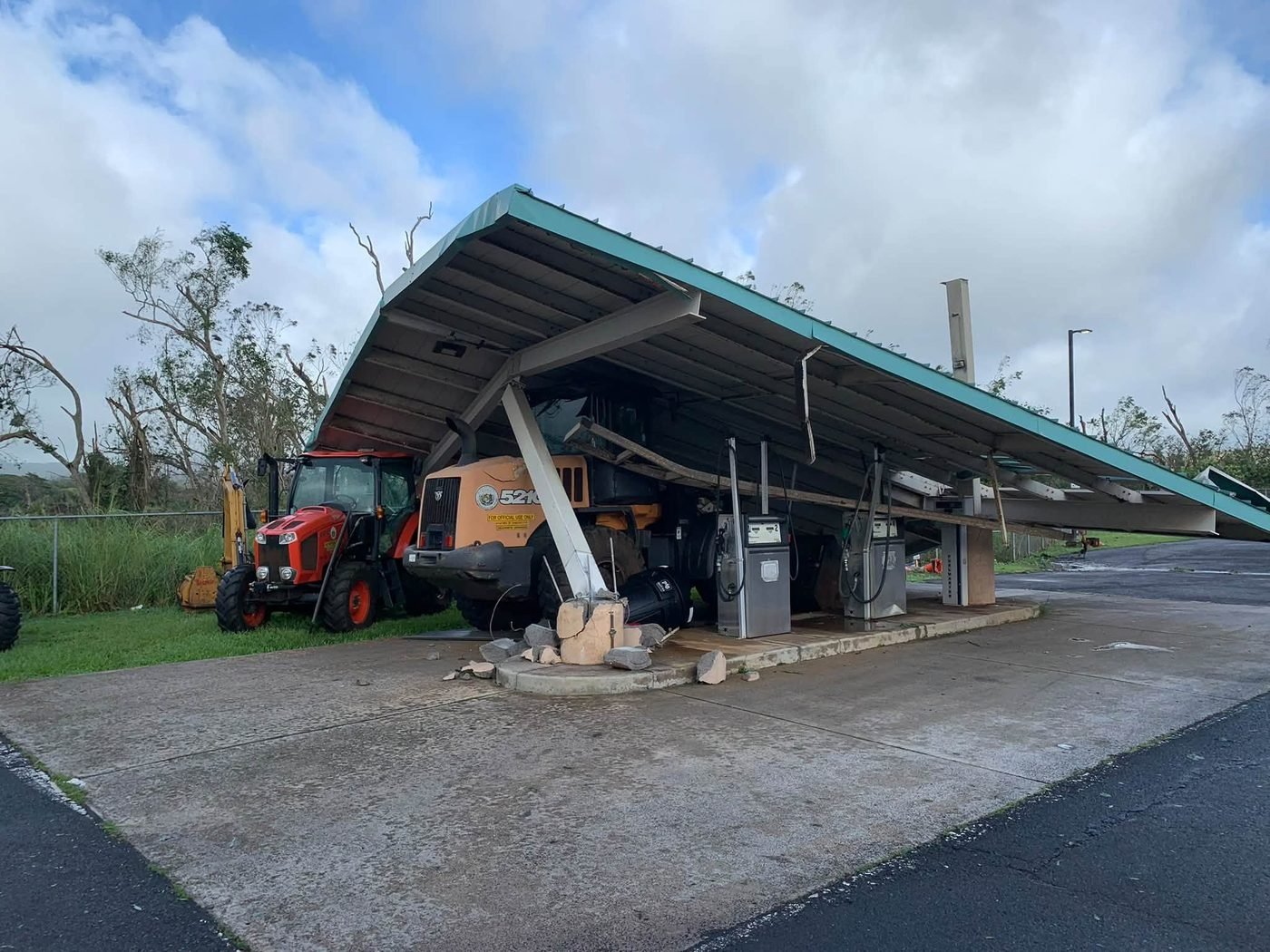
- Damage reported at Kauaʻi High School, Kekaha Elementary and the state DOT base yard in Līhuʻe; Līhuʻe Airport has reopened, Nāwiliwili Harbor closed pending clearance and the Young Brothers barge delayed; 301 people and 38 pets in five refuge areas; county offices and schools closed through Friday (schools targeting Sept 14); island-wide water conservation notice
Oʻahu
- Gusts to 62 mph in the higher terrain of western Oʻahu; up to 8 inches of rain over the mountains north of Honolulu
- About 21,000 Hawaiian Electric customers lost power — roughly 14,400 on the Leeward side and 6,600 in Windward communities
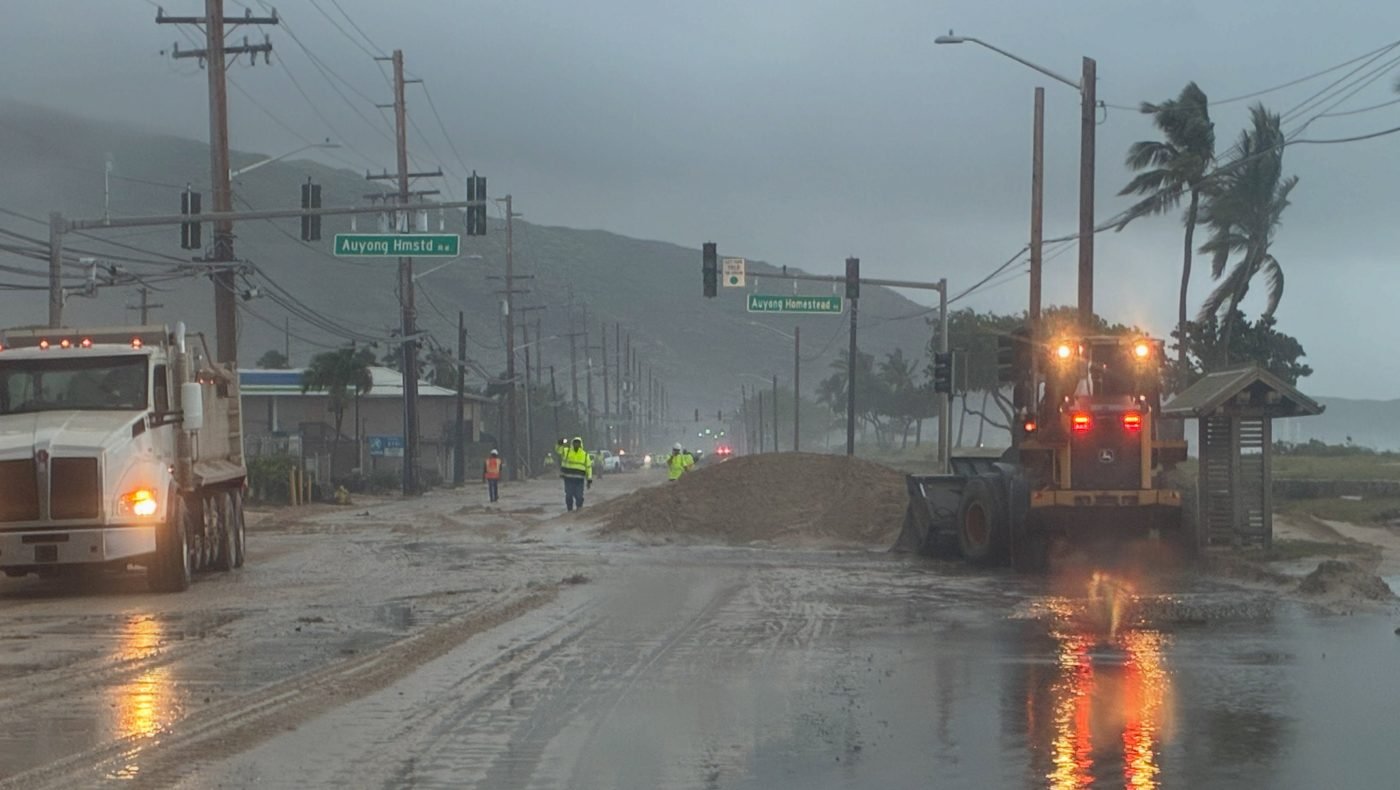
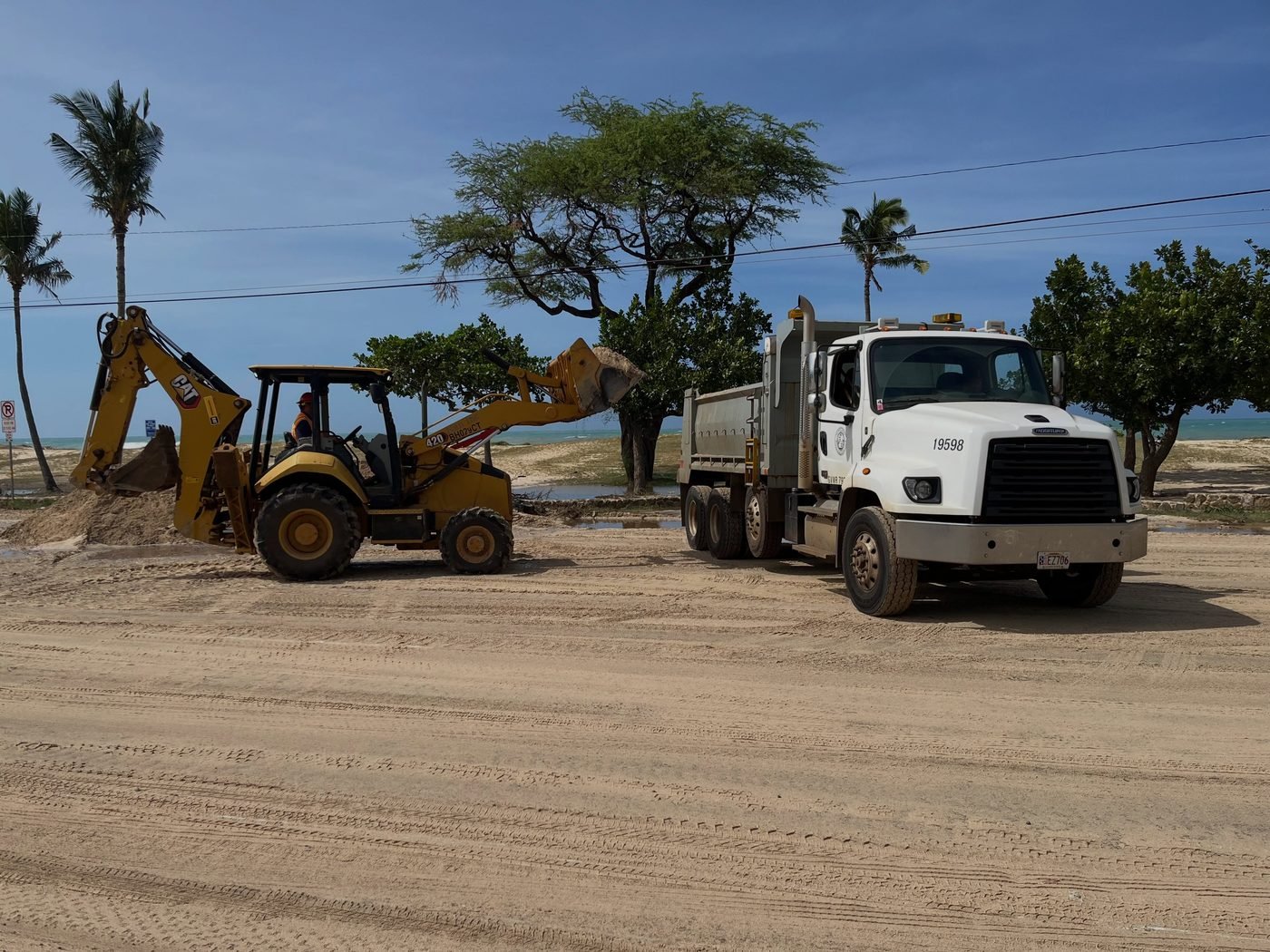
- High surf pushed into the Mākaha Beach Cabanas at first-floor level and buried Farrington Highway in sand from Nānākuli to Mākaha, forcing full closures (Lualualei Naval Road to Hakimo Road; Kaukama Road to Princess Kahanu Avenue) and flooding parking lots and yards along the Waiʻanae coast
- Kamehameha Highway flooded when Waiāhole and Waikāne streams overflowed; trees down on the Pali Highway and Vineyard Boulevard; Farrington Highway street-light pole down near Glenmonger Street; schools, UH campuses and offices closed; pet-friendly shelter at Nānākuli Elementary
Maui County
- An 80 mph gust near Kula in the Upcountry interior; up to 9 inches of rain over the mountains
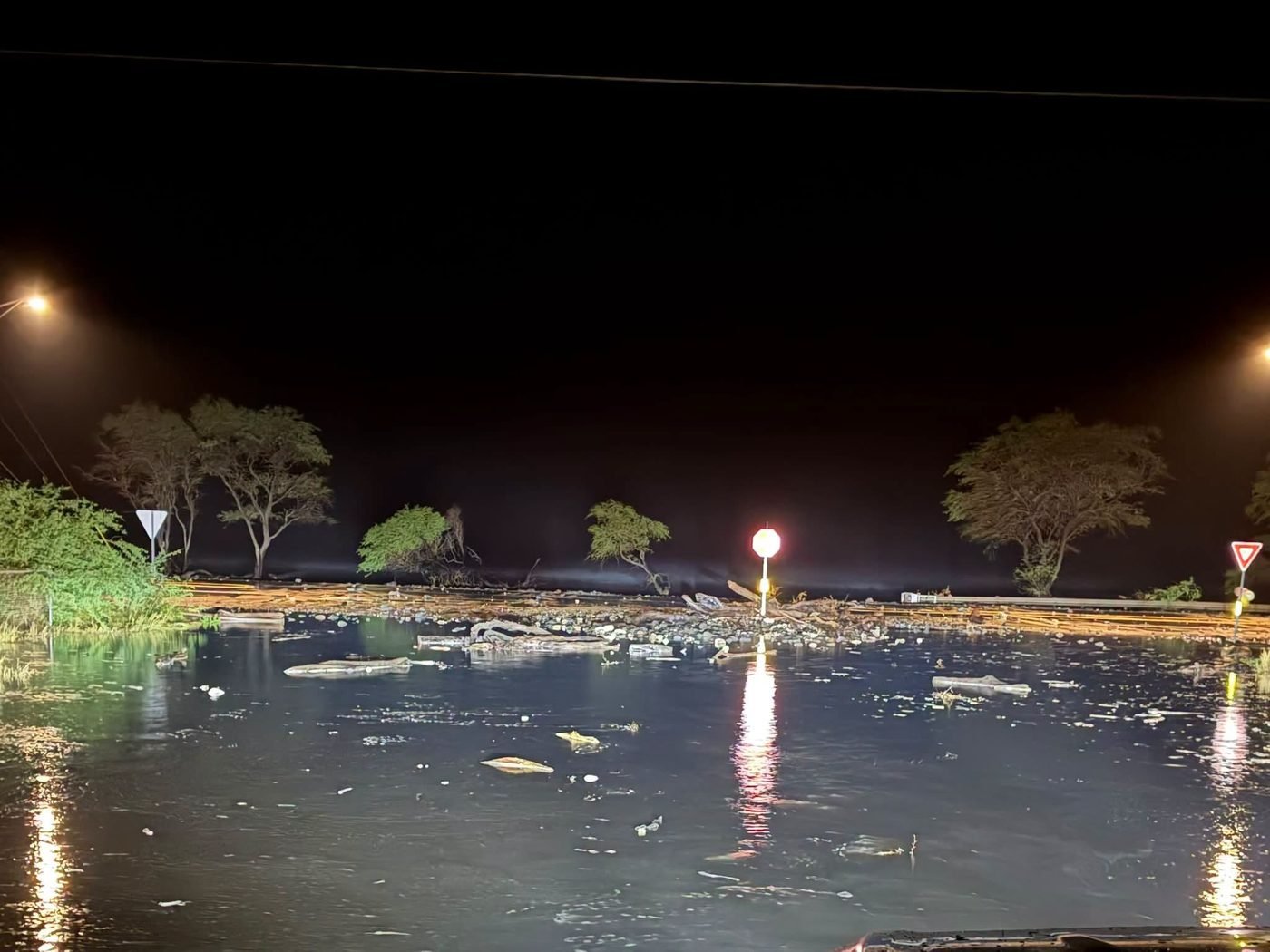
- Coastal flooding in South and West Maui: high surf sent water and debris over North Kīhei Road and several stretches of South Kīhei Road (Kamaʻole and Cove Park took surge), closed Front Street in Lahaina north of Kapunakea Street, and shut Honoapiʻilani Highway between Māʻalaea and Olowalu with rocks and debris (mile markers 11–13) and water over the road near Lone Pine
- The Hāna Highway was blocked by rockfall near Keʻanae and flooded farther east; four West Maui schools closed; charging and service sites opened at the Lahaina Civic Center and Velma McWayne Santos Center
- About 2,700 customers in Waiehu lost power early Tuesday before restoration; high-surf warning county-wide, including Molokaʻi and Lānaʻi
Hawaiʻi Island
- Up to 12 inches of rain forecast for the southeast side; flood watch and high-surf warning
- Fewer than 30 customers remained without power Tuesday morning, with 99.9% of Lala outages already restored
First: People, Then Property
Follow official emergency guidance first. Stay off flooded roads and away from downed lines, which killed people after Lala. Treat the shoreline as closed: surf and rip currents stay life-threatening for days, and the Department of Health advises staying out of brown water for 48 to 72 hours after the rain stops. On Kauaʻi, limit water use to essentials while the county asks you to, and store the recommended gallon per person per day. Check on kupuna and neighbors when it is safe.
The First 72 Hours After Lowell
The full playbook is in our First 72 Hours guide. Here is the Lowell version, in order:
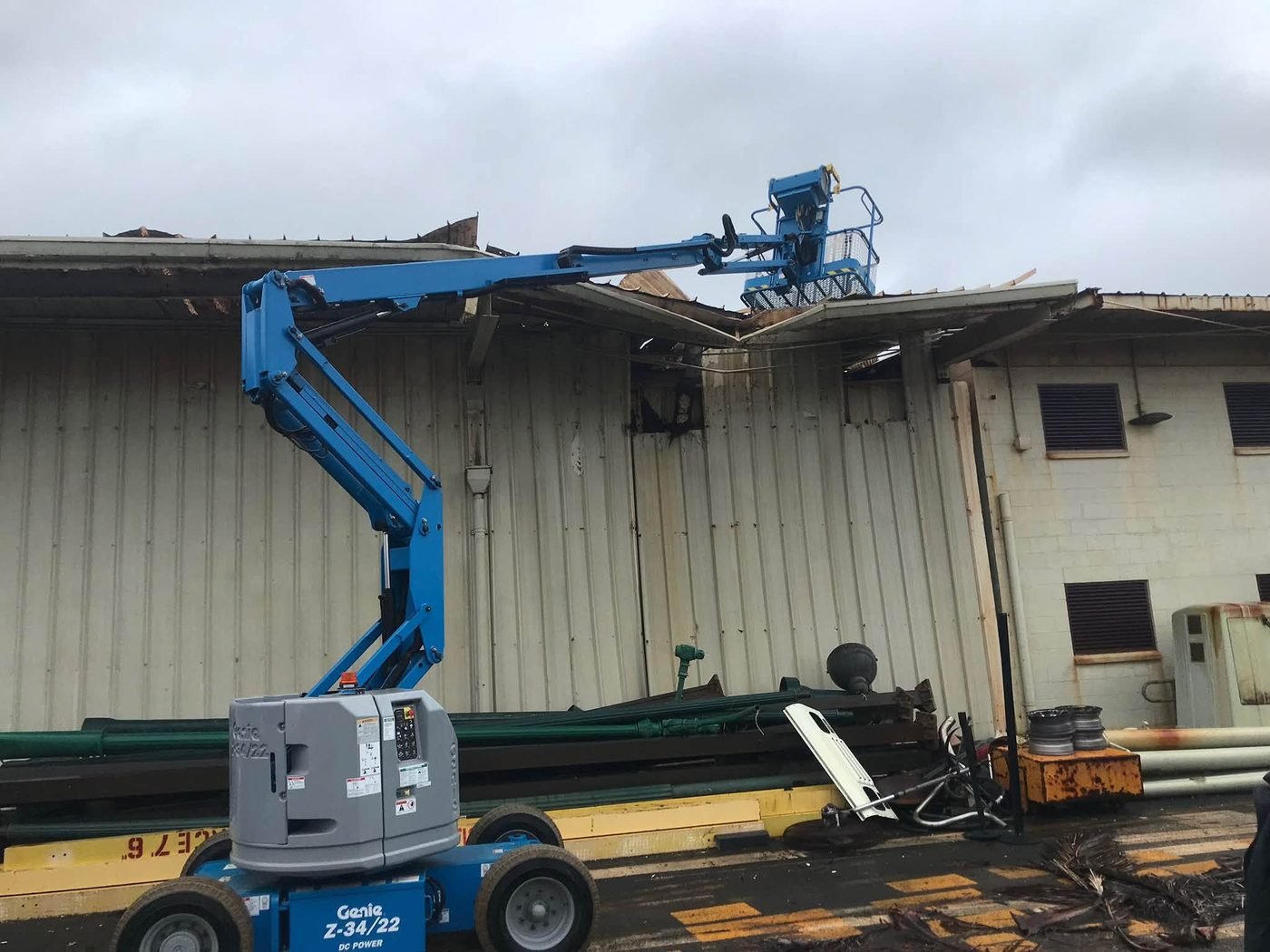
- Wait for the all-clear, then walk the property in daylight. Look up first: roofs, ridge caps, flashing, solar mounts, gutters. Then lanai, fences, carports, ag structures, vehicles, boats.
- Photograph and video everything before you touch it. Wide, medium, close-up, then the evidence — water lines on walls, the direction debris fell, where water came in. Inside the refrigerator and freezer too.
- Make only temporary repairs — tarp, board, move belongings out of the wet. Your policy requires reasonable mitigation, and mitigation costs are usually reimbursable. Keep every receipt, including generator fuel, ice and tarps.
- Don’t throw anything away yet. Damaged materials and contents are evidence. If you must clear them for safety, photograph and stage them first.
- Report the claim promptly, facts only. Date, time, what you observed. Do not guess whether it was wind, wind-driven rain, surge or rising water — that classification decides the claim (next section).
- Start a claim diary today. Every call, name, claim number and promise, in writing.
Wind, Rain, Surge or Flood: The Classification That Decides Lowell Claims
Lowell delivered all four at once, and each is paid — or excluded — by a different part of your insurance:
- Wind damage (lifted roofing, blown siding, collapsed lanai, tree strikes) and rain entering through wind-created openings are generally covered by your hurricane policy or rider. In Hawaii, hurricane coverage has commonly been separate from the base homeowners policy since Iniki, and the hurricane deductible is often a percentage of your dwelling limit. Our hurricane deductible guide shows you how to find your real number.
- Storm surge and rising water — the flooding in Wainiha, Kapahi and Hanalei, the surge that took the Waimea Pier and the Hanapēpē Bay road, the sand across Farrington Highway, the ocean in the Mākaha cabanas and over South Kīhei Road — is generally classified as flood: excluded from homeowners and hurricane policies, and covered only by separate flood insurance, usually NFIP.
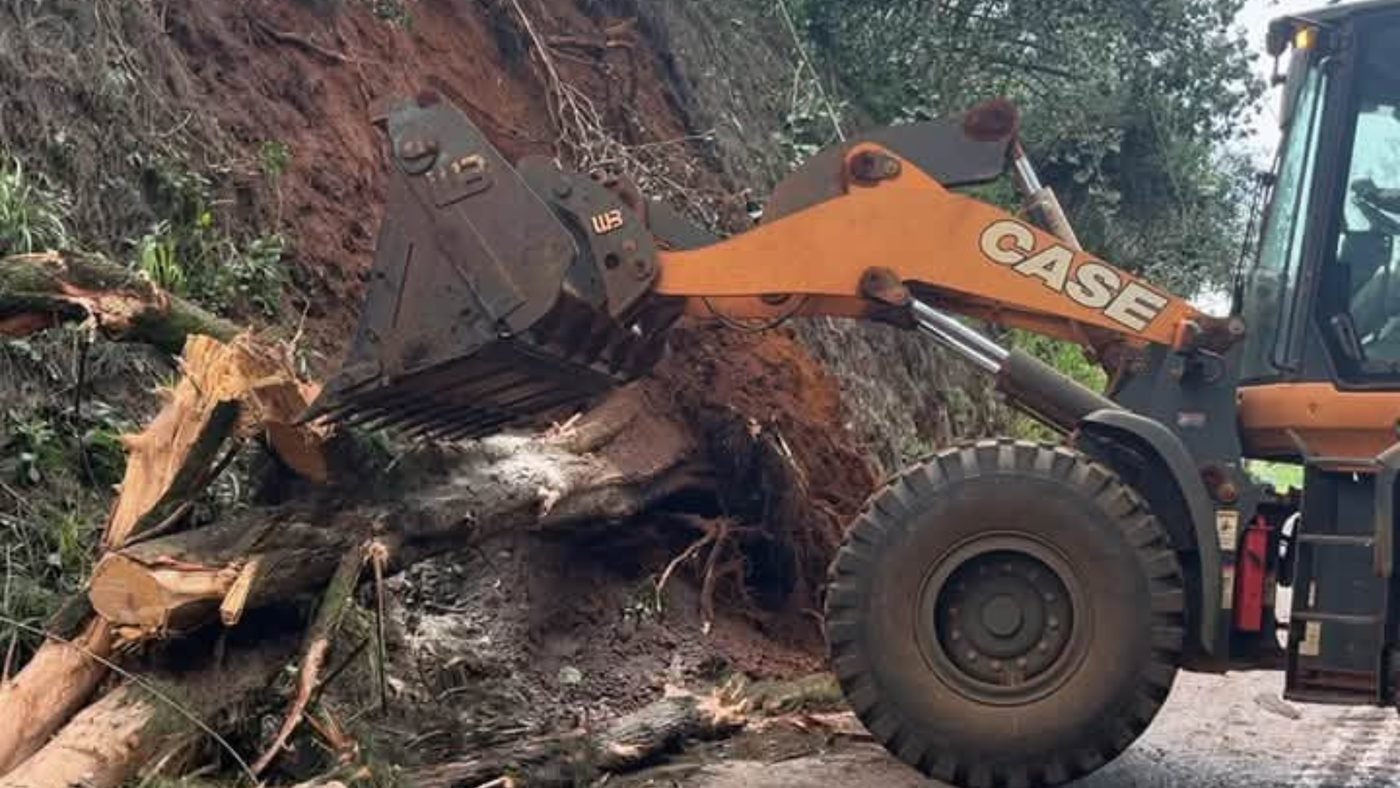
- Mudflow and landslides are usually treated as flood or earth movement. Wet-soil tree failures that hit a structure are usually wind. The evidence on the ground decides which.
When wind and water arrive together, the classification your file receives can be the difference between a claim paid well, paid poorly or denied. The Hawaii Insurance Commissioner’s August memorandum on Lala claims told insurers to evaluate each claim on its own facts, apply the policy language as written, not lean on the storm’s classification alone, and clearly explain any denial. Expect the same standard for Lowell, and hold your carrier to it. Describe what you observed, document the physical evidence — wind-created openings, water lines, the direction of damage — and let a professional assign the cause.
Power Outages: Food Spoilage, Generators and Living Elsewhere
With KIUC warning members to expect an extended outage, the losses that follow are real money for an island family:
- Food spoilage. Many Hawaii homeowners and renters policies include refrigerated-property coverage, usually with a modest sub-limit and conditions on the cause of the outage. Photograph the contents, list every item with a rough value, then dispose of it safely. Replacement grocery receipts help establish values.
- Generators, fuel and ice. Depending on your policy these may be recoverable as mitigation or additional living expense. Keep the receipts either way.
- Additional living expense (ALE). If your home is unsafe or uninhabitable because of covered damage, your policy may pay for a place to stay, extra food costs and extra mileage. Save every receipt and note every night away.
- Renters and condo owners: renters policies cover your contents and ALE; condo owners should notify both the AOAO (for the building) and their own HO-6 carrier (for interiors and contents).
Business Owners: Closures, Spoiled Stock and Lost Income
For Kauaʻi’s visitor economy — and every restaurant, farm, shop and tour operator from Hanalei to Poʻipū, Waiʻanae to Hāna — the building is often the smaller half of the loss. Līhuʻe Airport closed for a day, Nāwiliwili Harbor and the barge schedule stalled, parks and trails closed, Front Street and the Kīhei shoreline roads shut, Kaumualiʻi Highway buried. Add Kekaha’s farms and shrimp ponds under salt water and the visitor economy running on generators. Review your commercial policy for:
- Business interruption / business income — income lost while covered physical damage keeps you closed. Keep clean records of normal revenue and every day of closure.
- Civil authority coverage — income lost when government orders keep customers away, even if your building is fine. Save the closure orders, road-closure notices and airport announcements that affected you.
- Perishable stock / spoilage — inventory lost to the outage. Photograph and inventory before disposal.
- Extra expense — generators, temporary space, expedited shipping to reopen. Keep every receipt.
Business interruption claims are among the most technical and most underpaid in all of insurance. If Lowell closed your doors, this is exactly the claim to have professionally managed from day one.
The Claim Itself: What to Expect in the Weeks Ahead
Your insurer assigns an adjuster, an inspection happens (read our inspection guide first), an estimate arrives, and a first check may follow. Three reminders for catastrophe claims specifically:
- First offers after catastrophes run low. Rushed inspections and mainland pricing databases miss island reality — barge freight, single-wall construction, Kauaʻi’s contractor shortage. Estimates are negotiable and supplements are normal.
- Depositing a routine check usually doesn’t close your claim — but read the wording. Our insurance check guide covers what to look for.
- Hidden damage surfaces for months. Wet decking under lifted shingles, moisture in wall cavities, mold in Hawaii humidity, salt corrosion after surge. Keep documenting and keep supplementing. Our Damage Iceberg guide shows exactly what inspections find below the waterline.
The money the carrier never offers is money you never see. That is the hidden cost of handling a hurricane claim alone.
The Hidden Cost of Handling It Yourself
Most property owners who manage their own storm claim believe they are saving money. Here is what actually happens: the carrier’s adjuster inspects, the carrier’s estimating software prices the scope, and the carrier’s letter explains what it will pay. Every step is built and controlled by the party that writes the check. Owners take the number, deposit it, and never learn what a complete, code-referenced, Hawaii-priced claim would have been worth. Nobody sends a letter for the depreciation that was never released, the underlayment that was never scoped, the code upgrades that were never mentioned, or the business income that was never claimed.
The opportunity loss on a “handled it myself” claim
In a scenario like this, a public adjuster’s contingency fee comes out of the second number — and the owner still nets far more than the first. Illustration only; every claim is different and no outcome is guaranteed.
What our experience in Hawaii looks like. Across the claims our team has handled here, the represented outcome has consistently been higher than the carrier’s opening position — sometimes modestly, sometimes dramatically. We have taken claims that opened with an offer near $50,000 to settlements above $600,000, because the first inspection missed most of the loss. Those are real past results, not a promise for yours; they are what happens when someone who reads policies for a living builds the claim from the start.
What the research says. A 2010 Florida legislative study (OPPAGA Report 10-06) of Citizens Property Insurance claims found that policyholders who used public adjusters received substantially larger payments — the widely cited figures are 574% higher on typical claims and 747% higher on 2005 hurricane claims — though their claims took longer to settle. Florida is a different market, but the pattern is the same one we see in Hawaii: the carrier’s first number is rarely the claim’s real value.
Why the gap exists. Not because adjusters are villains — most are decent people with 200 files and a mainland price list. The gap exists because a complete claim requires a thorough inspection (roof, attic, moisture readings, every elevation), a line-item estimate priced for Hawaii, the policy read clause by clause for coverage the carrier does not volunteer, and someone who pushes back when the answer is slow, low or no. That is the job of a licensed public adjuster: your adjuster, working only for you. We look out for your recovery, not the insurance company’s bottom line.
When to Bring Us In
At the start (best)
Before the carrier’s inspection. We document the loss properly, set the claim up the right way, attend the inspection, and build the estimate the carrier has to respond to. Claims that start right rarely turn into fights.
When it stalls or comes back low
Delays, a lowball estimate, a rushed drive-by inspection, a wind-versus-flood denial, unreleased depreciation, or a business income claim going nowhere. We take over claims at any stage, re-document, re-estimate and negotiate to the finish.
Either way, the first step is the same and it costs nothing: send us what you have — even phone photos and a screenshot of your declarations page — and our licensed Hawaii team will review your damage, your policy and your options. If your claim is one you can handle yourself, we will tell you exactly that.
Free State & County Recovery Programs
Alongside your insurance claim, use every official program you qualify for. Governor Green’s September 3 emergency proclamation (in effect through November 1) activated the National Guard, the Major Disaster Fund and streamlined permitting; a federal declaration for Lowell had not been announced when this guide was published, so watch the links below.
File your county damage report as soon as you safely can — it is separate from your insurance claim, and the totals help unlock federal aid for your island.
Common Questions After Lowell
You Are Not Alone in This
Island Claims is a licensed Hawaii public adjusting firm — your neighbors, headquartered on Maui, serving Kauaʻi, Oʻahu, Maui County and Hawaiʻi Island. We represent property owners only, never insurance companies. Whether Lowell took your roof in Kekaha, flooded your shop in Hanalei, pushed the ocean into your ground floor in Mākaha or tore up your fences in Kula, our team will review your damage, your policy and your options honestly and without cost or obligation.
Storm Damage from Lowell? Get a Complimentary Claim Review
Send us what happened — even just phone photos. Our licensed Hawaii team responds with an honest assessment and can schedule a call to walk through your next steps. No upfront cost, ever. We are only paid from what we recover for you, under a written agreement you see before any work begins.
Start Your Complimentary Lowell Review